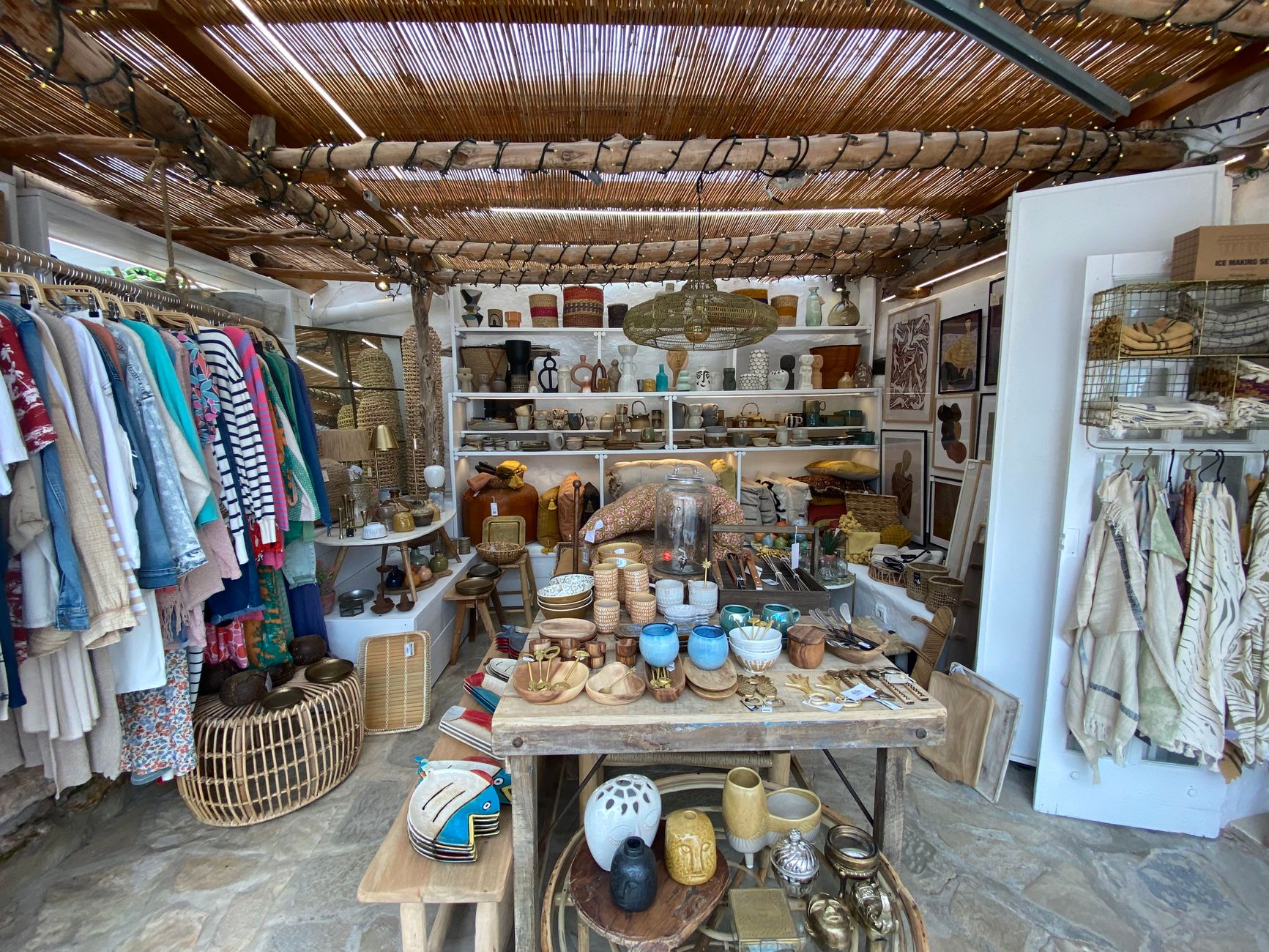
Finding home décor that feels personal often means looking beyond big‑box stores. Handcrafted items, whether from a local potter or a vintage shop, carry a sense of character that mass‑produced goods rarely match. For shoppers willing to explore, there are several reliable sources scattered across communities, each offering something different.
Local finds add personality.
Farmers Markets and Craft Fairs
Local farmers markets and craft fairs are a natural starting point. They regularly host artisans selling handwoven baskets, pottery, wooden sculptures, and textiles. The real draw isn’t just the product — it’s meeting the person who made it. Buyers can hear the story behind a piece, which adds a layer of meaning that’s hard to replicate online.
These events tend to rotate through neighborhoods, so checking schedules matters. Some markets run year‑round indoors; others pop up seasonally. Either way, the inventory changes often, which keeps the hunt interesting.
Artisan Co‑Op Shops
Many towns and cities have artisan co‑op stores where local artists rent space to sell their work. These shops are dedicated to regional craftsmanship, carrying everything from hand‑painted ceramics to custom furniture. Because the artists are local, the pieces tend to reflect the area’s materials and design traditions.
Related: Canadian Experts Share Top Bathroom Design Tips
Shopping at a co‑op also means the money stays close to home. The outlet notes that such stores offer “unique and ethically sourced” décor, which appeals to buyers who care about origin. It isn’t always cheap, but the quality usually justifies the price.
One example that stands out: a set of Vintage Hamichal 1940s wooden pots sold by Fairmile Co in Vancouver, BC. That kind of piece has a story baked into its wood grain — something you can’t get from a flat‑pack shelf.
Online Marketplaces With a Local Filter
Platforms like Etsy let shoppers filter by location or handmade criteria. That’s useful for finding items tied to a specific culture or community. A buyer in Ottawa, for instance, can find Pink Daisy Ceramic Vases made by casinhaflores right there in the city. The same goes for Wispy Pine Tree Metal Wall Art made in Dorchester, ON by Daloutier Co. These aren’t mass‑produced; they’re made by people who live nearby.
Of course, online shopping lacks the tactile experience of picking up a piece and feeling its weight. But for those who know what they want, it’s a practical way to access local craftsmanship without driving around.
Here’s where the process gets interesting: the same kind of hunt that works for antiques also works for modern handmade goods. It’s less about the era and more about the maker’s intent. A 1940s wooden pot and a 2023 ceramic vase can sit on the same shelf and tell different stories. That variety is the appeal.
Related: Barista Quality Coffee at Home Now Possible
Antique Shops and Vintage Stores
For décor with a past, antique shops and vintage stores offer locally sourced, handcrafted items that have already stood the test of time. Hand‑carved furniture, old‑world glassware, and decorative textiles are common finds. Prices can be steep, but the pieces are often one‑of‑a‑kind.
These shops require patience. You might visit three times before finding something worth taking home. That patience is part of the hobby, and when you do find a hand‑carved mirror or a set of vintage pottery, the payoff feels earned.
Artist Studios and Galleries
Visiting an artist’s studio or gallery directly is the most direct route to a truly original piece. Many creators produce custom lighting, abstract paintings, or sculptural furniture. Buying directly cuts out the middleman, which sometimes means a lower price — but not always. The real value lies in the relationship: you meet the creator, see their workspace, and understand their process.
Some artists are open by appointment only. Others have regular gallery hours. Either way, it’s worth checking local art walks or open‑studio events to see what’s available.
Canadian Home Trends magazine offers a curated look at such finds, showcasing accessible home décor products and trend reports. The real discovery happens when you step out of the magazine and into the shop, the market, or the studio.


