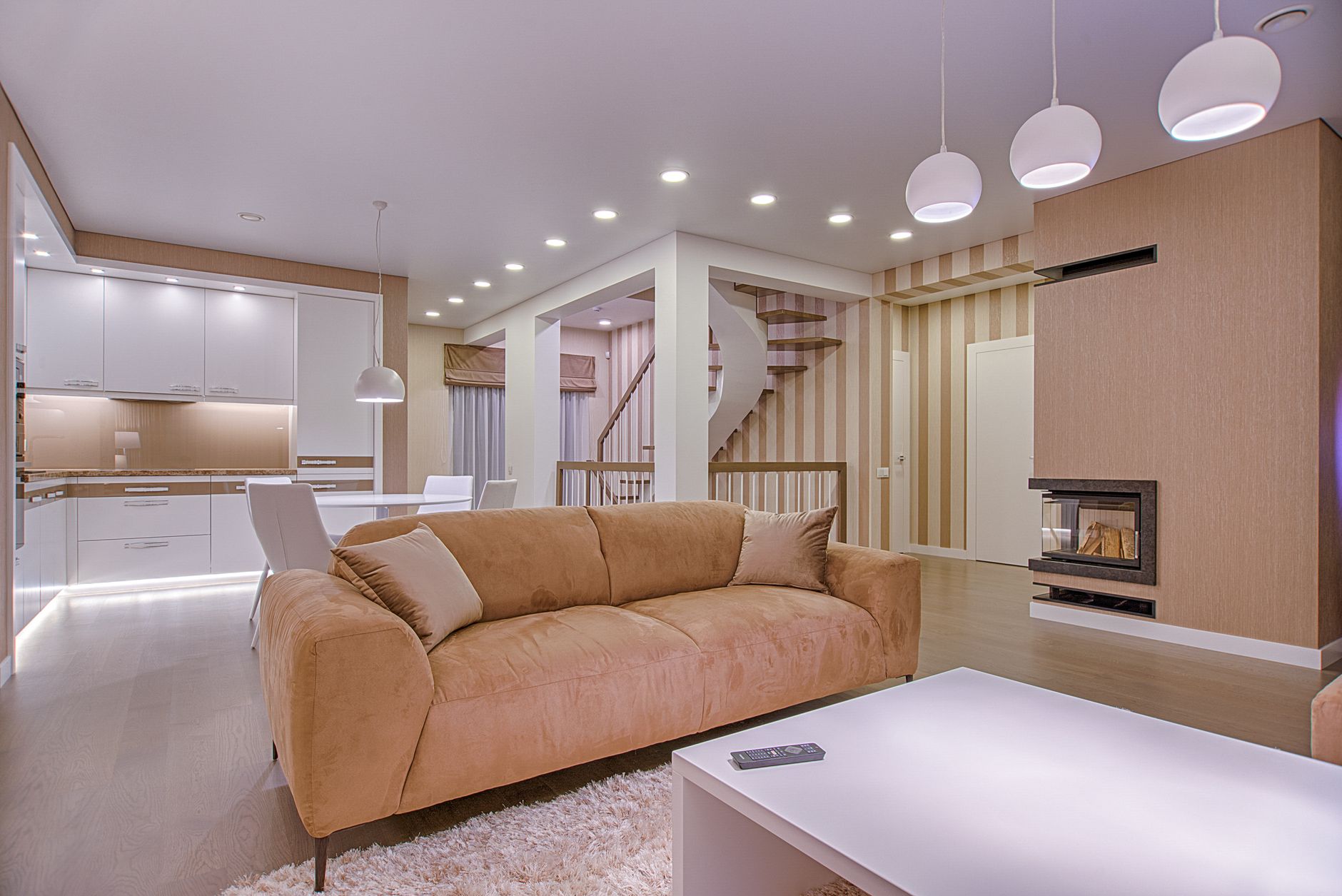
Task lighting can make a kitchen more functional and safer, according to recent guidance on home illumination.
It improves safety.
How focused light improves everyday chores
Task lighting differs from ambient lighting by directing light onto a specific work area. In the kitchen, this means placing lights where cooking, chopping and cleaning happen. Proper illumination helps prevent accidents, reduces eye strain and can make the cooking process smoother.
Under‑cabinet fixtures are a common solution for countertop work. By mounting lights at the front edge of cabinets, shadows are minimized and the light falls directly on the surface. Pendant lights, often hung in rows, spread illumination across a broader area while adding a decorative element.
Recessed fixtures installed in the ceiling can also provide focused light without taking up space. When positioned correctly, they highlight key zones such as the sink or stove without creating glare. Dimmers give homeowners the ability to adjust brightness for different tasks, from bright prep work to a softer ambiance for dinner.
Choosing bulbs that match the job
LED bulbs are frequently recommended for task lighting because they last longer, use less electricity and produce little heat. The ability to select color temperature means users can pick warm white bulbs for a cozy feel or cool white bulbs for tasks that demand accuracy, like food preparation or reading documents.
Related: How to Find Affordable Electricians Georgetown
Bulbs with a high color rendering index (CRI) are useful in kitchens where true color representation matters. A higher CRI helps food appear as it would under natural light, which can be important for plating and presentation. The lower heat output of LEDs also makes them safer for prolonged use around cooking surfaces.
While LEDs dominate the market, some homeowners still opt for traditional incandescent bulbs for their familiar glow. However, the higher energy consumption and heat generation make them less suitable for long‑duration tasks.
Extending task lighting beyond the kitchen
Task lighting is not limited to cooking areas. In bathrooms, vanity lights positioned around mirrors eliminate shadows for grooming activities such as shaving or applying makeup. Desk lamps in home offices provide direct light that can reduce eye fatigue and boost productivity.
Living rooms benefit from floor lamps that create reading corners without flooding the entire space with light. The versatility of task lighting means each room can receive illumination tailored to its primary functions.
Balancing style and utility is possible with a range of fixture designs, and designer desk lamps may complement modern décor while meeting functional needs.
One practical consideration is the placement of fixtures to avoid glare. For example, hanging pendant lights too low can cause shadows on countertops, while positioning under‑cabinet lights too far back can leave the work surface dim. Careful planning ensures both aesthetics and efficiency are achieved.


