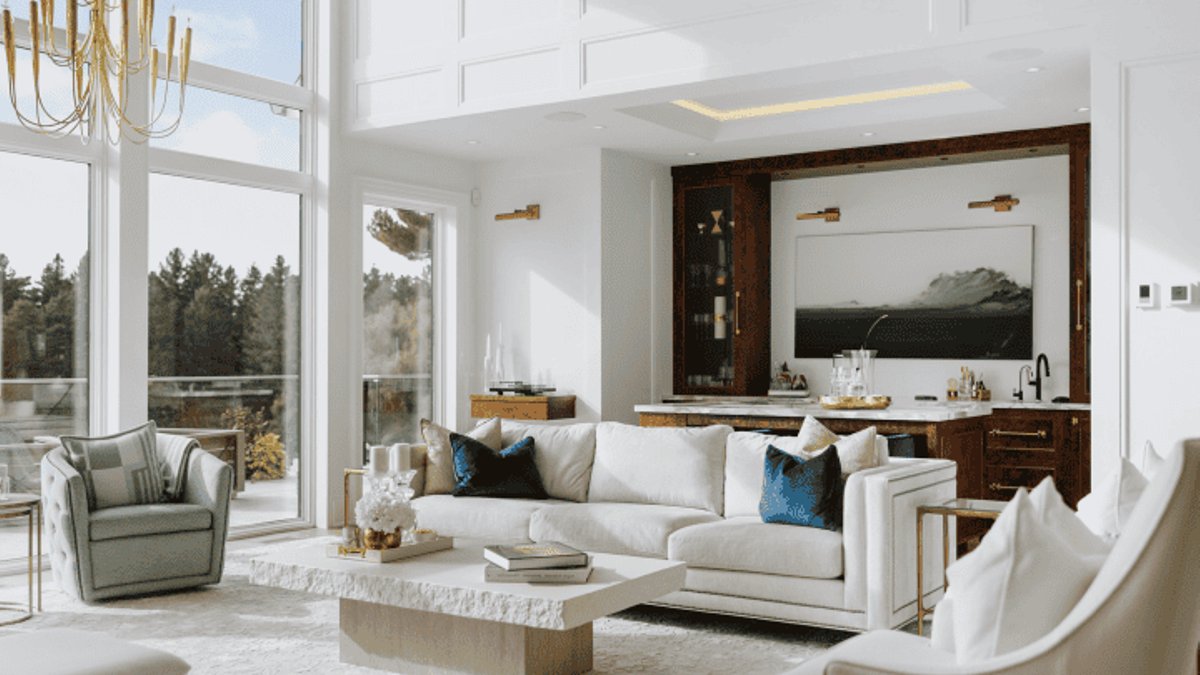
Understanding why great design matters in a custom‑home project starts with the layout, the drawings and how the various specialists work together.
Space planning sets the foundation
The first step in any custom home is the floor plan. A well‑thought‑out layout makes sure each room serves its purpose and that traffic flows smoothly. Homeowners should ask whether the design accommodates current needs and leaves room for future changes. For instance, the positioning of bedrooms, bathrooms and common areas must balance privacy, accessibility and daily routines.
Good space planning goes beyond raw square footage. It looks at how rooms relate to one another and whether walls can be moved later if family size grows.
Early decisions about room size and arrangement can spare owners from costly redesigns down the line, keeping the project on schedule and within budget.
Detailed drawings keep construction on track
Precise drawings are essential for a smooth build. When plans include structural elements, material specifications and exact dimensions, contractors have a clear roadmap. Incomplete or vague documents often lead to misunderstandings, delays and unexpected expenses.
Builders rely on these drawings to coordinate their work. A well‑detailed set of plans can reduce the need for on‑site clarifications, which in turn helps keep labor costs down.
The more information the designer provides up front, the fewer chances there are for costly rework.
Coordinating consultants avoids costly conflicts
Custom homes require input from more than just the architect. Structural engineers, mechanical engineers and setting architects all need to align their designs. For example, the structural engineer must verify that the foundation can support the intended framing, while the mechanical engineer confirms that HVAC ducts and plumbing fit within the allotted space.
Related: Debate Over Green Cleaning Sparks Policy Split
When the designer orchestrates this collaboration, the various systems integrate without surprise. Proper coordination reduces the risk of clashes that could force redesigns after construction has begun, protecting the timeline and the budget.
Efficiency helps recover design costs
An experienced designer can offset the expense of the design phase by promoting efficient construction methods. Selecting cost‑effective materials, simplifying complex details and recommending building techniques that speed up work all contribute to lower overall costs.
Beyond the immediate savings, smart design decisions can improve a home’s energy performance and reduce future maintenance.
When a designer focuses on long‑term efficiency, the initial investment in the design becomes a financial benefit over the life of the house.
Putting it all together for a successful project
By addressing space planning, drawing detail, consultant coordination and construction efficiency early, homeowners can keep their custom‑home projects on track. A skilled designer who considers each of these elements helps ensure the finished house meets functional needs while staying within budget.
Ultimately, great design is not just about aesthetics; it’s a practical tool that guides every phase from concept to completion.
When every piece of the plan aligns, the result is a home that works well, costs less to build and offers lasting value.


