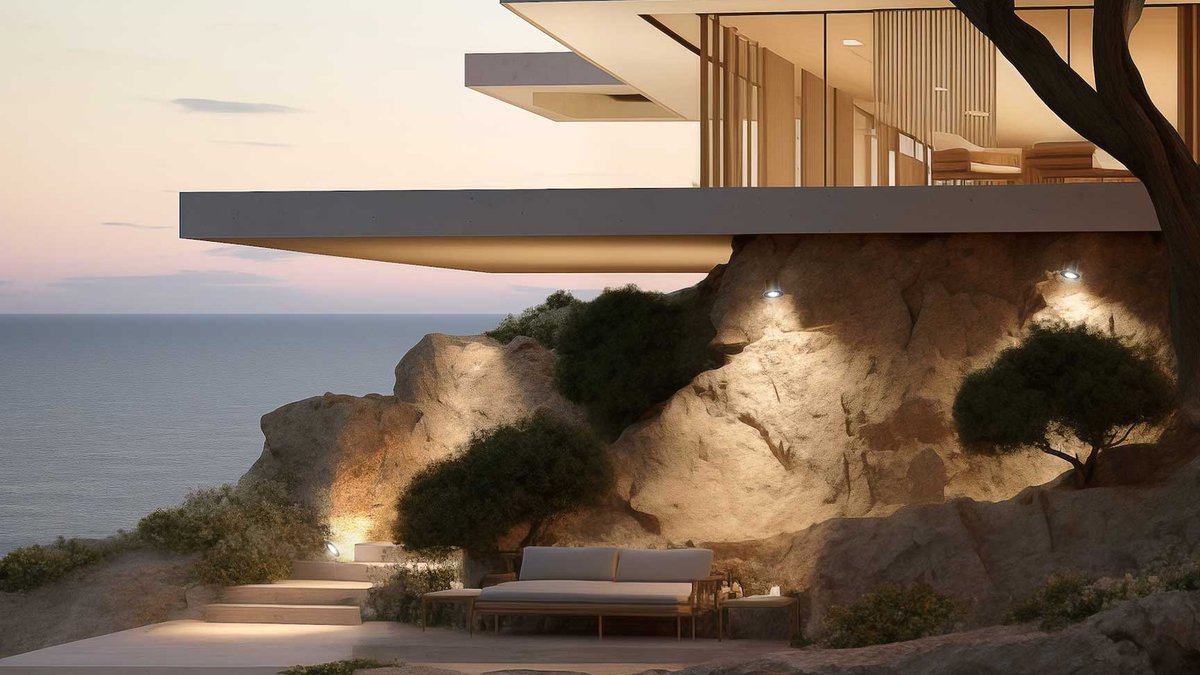
Outdoor lighting transforms a garden into a functional extension of the home, making it safer and more welcoming after dark. The right setup depends on specific needs: task lighting for paths, accent lighting for plants, or ambient lighting for evening gatherings.
Start with the purpose
Before selecting fixtures, determine the lighting’s primary function. Pathways and steps require clear, functional light to prevent accidents. Borders and trees look best with accent lighting that enhances texture and color. Entertaining areas benefit from warmer, softer light that encourages conversation. Front gardens often prioritize curb appeal, creating a welcoming glow for visitors.
A single garden may combine all these approaches.
Types of outdoor lighting
Wall lights are commonly installed near doors and porches. They improve security and help people move around safely. Styles vary from traditional swan-neck designs to modern motion-sensor models. Some, like David Hunt’s Falmouth design, cast light both upward and downward, creating a layered effect similar to indoor lighting.
Lanterns provide a classic aesthetic. Handcrafted versions, such as those from J. Adams, blend historic design with modern durability. Made in Birmingham, they’re built to order in bronze or antique brass, avoiding excess inventory.
Festoon lighting is easy to install and adds a cozy atmosphere. Originally gas-powered in the 19th century, today’s versions use LED bulbs. They work well for patios and pergolas, offering even distribution and a warm glow. Some sets include extendable cables and metal poles for quick setup.
Deck lighting has advanced with technology. Inset lights sit flush with the surface, while recessed lights on tiered decks provide subtle illumination. Stair lights mount under steps, and rail lights guide movement. Post lights, installed on deck posts, define zones and mark pathways.
Related: Debate Over Green Cleaning Sparks Policy Split
Spotlights offer flexibility and drama. They highlight trees, sculptures, or architectural features, creating striking contrasts between light and shadow. Most now use energy-efficient LEDs and can be repositioned as needed.
Portable lights add convenience. Tom Raffield’s Skipper table lamp, made from steam-bent wood, can be moved between indoors and out. It’s dimmable and casts a golden glow, making it useful for dining tables or side tables.
To minimize disruption to wildlife, downlights with shields reduce glare. Timers or motion sensors limit unnecessary illumination, preserving dark corners and pond areas. Warmer color temperatures—between 2700K and 3000K—create a relaxed environment without overpowering the space.
Most outdoor lights now emphasize durability. An IP65 rating ensures protection against water and dust, making them reliable in wet conditions. Sturdy materials reduce electrical risks while keeping the area secure.
When planning, consider the home’s architectural style. Bulkhead wall lights suit modern spaces, while handcrafted brass fixtures complement vintage designs. Covered porches allow for more variety, including chandeliers or pendant lights, if ceiling height permits.
A few well-placed fixtures can turn a garden into an atmospheric space that remains usable long after sunset. For those designing a dedicated workout area, home gym setups follow similar principles of purposeful lighting and durable materials.


