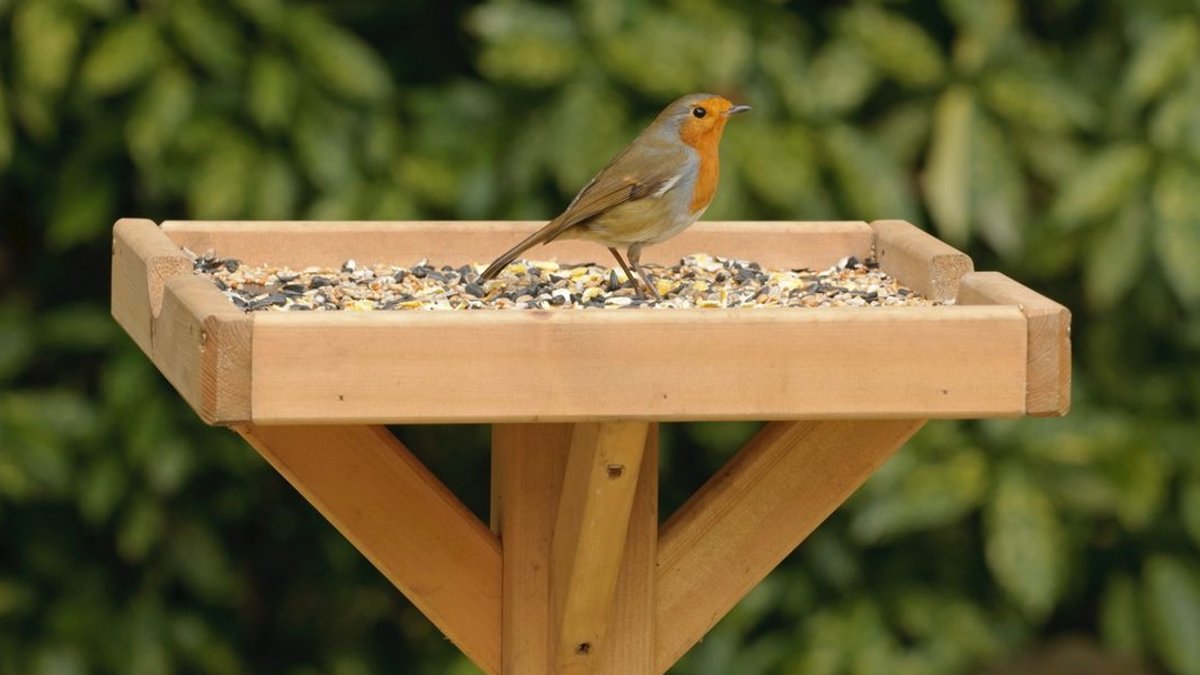
The Royal Society for the Protection of Birds issued updated guidance in May 2026 on feeding garden birds, cautioning against common practices that may spread disease. The recommendations urge bird lovers to clean and move feeders weekly, avoid filling feeders with seeds and peanuts between May and October, eliminate flat-surfaced feeders, and maintain water sources. The shift comes as the RHS announced it will no longer sell bird seed mixes and peanuts during warmer months, sparking debate among gardeners nationwide.
New Feeding Guidelines Aim to Slow Disease Spread
The guidance targets trichomonosis, a parasite that thrives in warm weather when birds congregate at feeders. The disease has devastated greenfinch populations, which have declined by 67 percent since the Big Garden Birdwatch began in 1979, according to the report. Infected birds transmit the parasite through saliva when feeding, which survives in damp seed. The RSPB warns that tube feeders and flat feeding surfaces increase transmission risks, as do infrequent cleaning. “Feeding birds is something millions of us love and value,” said RSPB chief executive Beccy Speight. “But the science shows us that birds such as greenfinches have been affected by the spread of disease at feeders.”
The parasite, Trichomonas Gallinae, resides in the food itself rather than on feeder surfaces, explains Dick Woods of Finches Friend, a company that developed specialized “cleaner feeders” to mitigate illness. When birds consume damp or warm seed, conditions mimic their digestive tract, allowing the parasite to multiply rapidly. While small amounts of mealworms, fat balls, and suet are permitted year-round, seed and peanut restrictions aim to reduce crowding at feeding stations.
Alternative Approaches Focus on Natural Habitat
The RSPB and RHS recommend replacing supplemental feeding with native plants to support insects and invertebrates, which form the primary diet for many garden birds. The RHS suggests planting insect-attracting species like field scabious, dog rose, and lavender during summer, alongside seed-bearing flowers such as sunflowers and teasels that provide food in autumn and winter. Berry-producing shrubs like hawthorn and elder offer nourishment when natural food sources dwindle. “Even small changes can make a meaningful difference to local bird populations,” says Helen Bostock, a senior wildlife expert at the RHS. “By choosing the right plants and creating a welcoming safe habitat, gardeners can help birds thrive throughout the year.”
The guidance’s rollout coincides with fledgling season, raising concerns about disruption.
Read Also: Stonehouse Wins Britain in Bloom Competition
Planting Strategies to Support Natural Diets
The Royal Horticultural Society emphasizes replacing supplemental feeding with native plants that attract insects and invertebrates, the primary food source for many garden birds. Recommended species include field scabious, dog rose, and lavender to draw invertebrates during summer. Seed-bearing flowers such as sunflowers, cornflowers, and teasels provide autumn and winter nourishment. These plants also shelter insects that overwinter in their stems, offering additional sustenance. Berry-producing shrubs like hawthorn, elder, and viburnum supply nutrients when natural food sources diminish. Gardeners are encouraged to leave seed heads intact after flowering to support birds year-round.
Dick Woods of Finches Friend highlights the importance of habitat diversity. He notes that marsh tits and willow tits depend on specific nesting environments, which urban areas cannot provide. Localised campaigns are necessary to address species-specific needs, he explains, as broad feeding restrictions may not benefit all birds equally.
Mitigation Efforts and Product Innovations
Finches Friend, which began product development in 2016, released its first specialized feeder in 2021. Designed to keep food isolated from birds until consumption, the feeder minimizes parasite spread. Dick Woods stresses that feeder design must evolve to protect birds, not expose them to disease.
Water Care and Expanded Disease Guidance for Garden Birds
Trichomonosis is also thought to be affecting chaffinches, which feed on the ground underneath tube feeders, and bullfinches. These species are now at risk from the parasite spreading through feeding areas.


