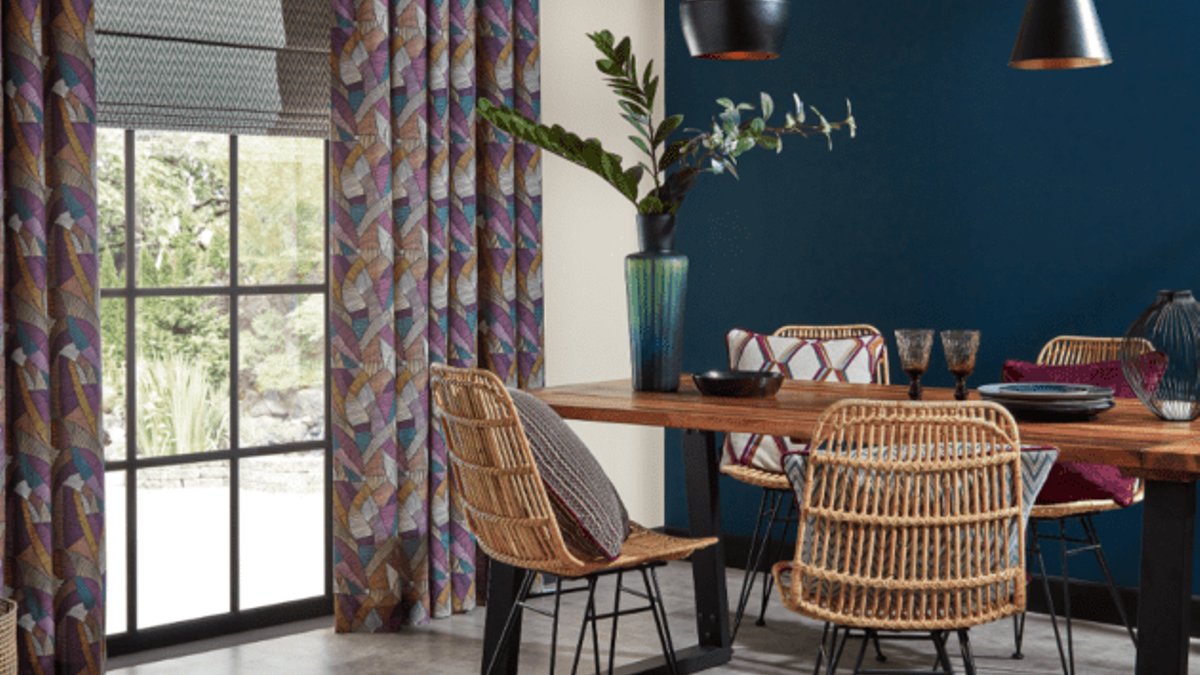
As heatwaves push temperatures higher across the United Kingdom, homeowners are looking for ways to keep interiors comfortable without relying on air‑conditioning that runs only a few weeks a year.
What window stacking entails
“Window stacking is the method of layering different types of window coverings, usually around three,” explains Anthony Threlfall, head of marketing at Everest. The approach combines a heat‑blocking layer, a light‑diffusing layer, and a heat‑control layer to reduce solar gain and improve comfort. Threlfall says the combined effect “is far more effective than just a single covering on its own,” giving occupants greater control over temperature and airflow throughout the day.
How the stack effect works
Cooling by natural ventilation depends on creating a flow of air that moves cooler air in and pushes warm air out. Anton Neike, cooling and energy expert and CEO at Taupia, recommends opening two sets of windows: a lower opening on the shaded side of the house and an upper opening on the opposite side. “Start by opening a window on your ground floor, ideally on the cooler, shaded side of your home,” he says. “Then, open a window on an upper floor … to let the hot air escape.”
Related: Can Air Conditioning Be Green?
Neike adds that aligning the bottom sash of lower windows to admit cool air and the top sash of upper windows to expel warm air maximizes the stack effect. He suggests using first‑floor windows on the windward side and second‑floor windows on the leeward side. This arrangement allows cooler breezes to enter low in the house while warm air rises and exits higher up, creating a passive cooling cycle that can lower indoor temperatures without electricity.
Debbie Leigh, design manager at ILIV, notes that the effectiveness of window stacking also hinges on the choice of fabrics. “The most effective window stacks are those that combine light‑filtering and heat‑blocking layers,” she says. Leigh recommends beginning with a sheer or voile fabric close to the glass to diffuse strong sunlight while preserving natural light. A well‑fitted blind—such as a blackout or thermal roller blind—can be drawn down during the hottest part of the day, followed by curtains that add insulation in the evening.
The concept sounds simple, but practical mistakes can undermine its benefits. Neike warns against opening windows during peak heat, saying it “lets hot air in and actually makes your home warmer.” The stack effect only works when outdoor air is cooler than indoor air, so early morning or late evening openings are most effective.
Related: Boost Your Home’s Value With Exterior Painting
Heavy fabrics can also be counterproductive. Leigh points out that “relying on heavy fabrics alone during hot weather … can actually trap the heat rather than reflect or diffuse it.” Over‑layering may restrict airflow around the window, leading to a stuffy environment if the coverings are rarely adjusted.
Families that adopt this method may notice a more stable indoor climate, especially during the hottest parts of the day. By reducing direct solar gain, rooms stay cooler, which can lessen the reliance on fans that merely circulate warm air. The approach also aligns with energy‑saving goals, as it cuts the need for short‑term air‑conditioning bursts.
Anthony Threlfall concludes that window stacking “supports ventilation by reducing heat gain, allowing controlled airflow—preventing rooms from overheating before ventilation is even needed.” He calls it “one of the most effective and practical ways to keep a home comfortable when the temperature climbs.”


