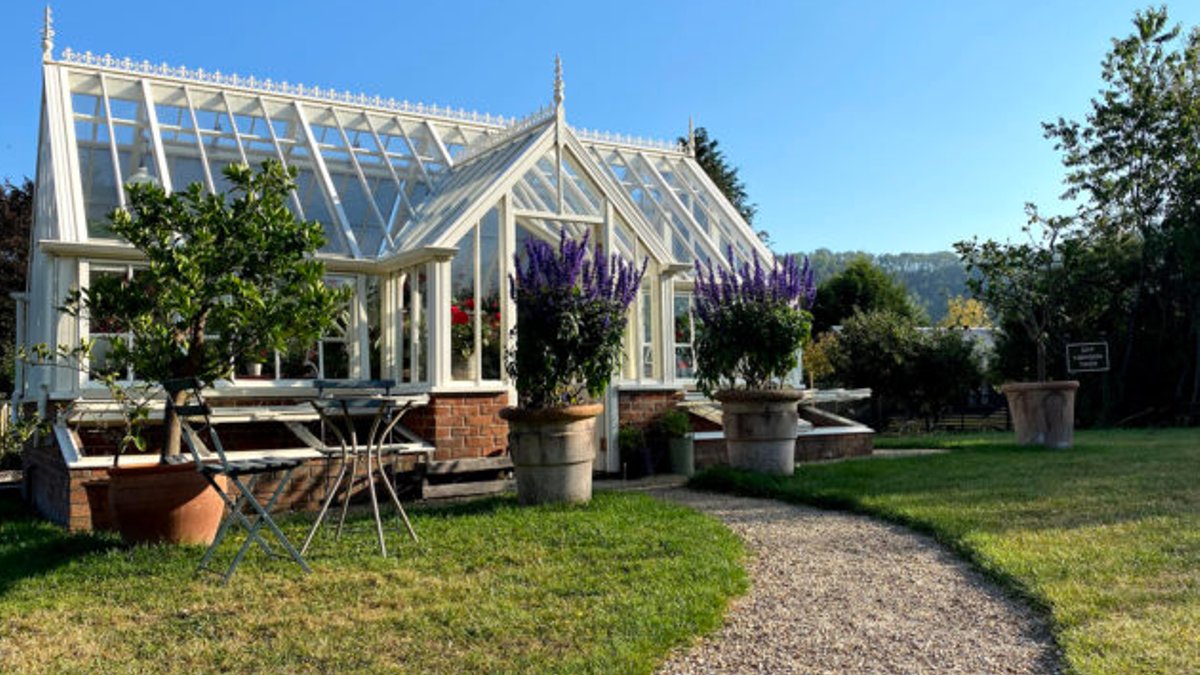
A greenhouse can extend the growing season, protect delicate plants, and create a controlled microclimate in any garden. Selecting the right one involves decisions about materials, location, and budget that affect its performance.
Glass vs. polycarbonate: durability and light
Glass is the most common glazing choice. It offers maximum light transmission, resists discoloration, and can be recycled. Proper installation prevents stress cracks, particularly around doors. Toughened glass improves safety.
Polycarbonate panels are lighter and less expensive but have limitations. They diffuse sunlight, which may slow the growth of seedlings and cuttings needing direct light. Over time, the material can fog or collect dirt between its twin-walled layers. While recyclable, the process is restricted due to BPA content.
Acrylic serves as another option, providing light transmission similar to polycarbonate but with increased brittleness.
Frame materials also influence durability. Aluminum requires little maintenance, lasts long, and comes in powder-coated finishes. Wood offers visual appeal but needs regular painting to avoid rot. Cedar resists decay better than softwood but costs more.
Related: Ancient Treasure Found on Mountain Peak
Nelly Hall, representing bespoke glasshouse maker Alitex, highlights aluminum frames for their strength and ease of upkeep. “Aluminium glasshouses are beautiful, sustainable and structurally sound – and they come without the upkeep that wood requires. The metal is strong, durable and lightweight, making installation efficient, and it requires minimal maintenance so you can enjoy more time inside the greenhouse rather than working on it.”
Designs span from simple utilitarian models to ornate Victorian structures with decorative ridges and finials. Unconventional shapes like geodesic domes exist but often prioritize appearance over function. Lean-to models work well in tight spaces.
Height affects usability. A minimum eave height of 1.5 meters and ridge height of 2 meters ensures adequate airflow and growing room.
Location and foundation: stability and sunlight
Placement determines success. A greenhouse needs full sunlight for most of the day. Low-lying spots prone to water pooling or shaded by trees should be avoided. Branches can block light and damage the structure if they fall.
Andrew White of Rhino Greenhouses Direct stresses the importance of level ground. “First and foremost, be sure to place your greenhouse in an area that gets plenty of sunlight, preferably for most of the day. Ensuring natural daylight hits your greenhouse all day is vital, as this will enable the plants housed within to experience optimal growing conditions. Also, be sure to take the time to find an area that isn’t prone to surface water, and is flat. Avoid placing your greenhouse near tall trees. Trees will severely hamper the amount of sunlight that reaches your greenhouse.”
Related: The Block contestants where are they now
Compact greenhouses or cold frames suit smaller gardens. These unheated structures protect plants from frost and help seedlings adjust to outdoor conditions. In summer, shading and capillary matting prevent overheating. Winter insulation, such as bubble wrap, can extend the growing season by up to six weeks.
Heaters, whether electric fan or infrared, keep frost at bay during winter and can double as fans in summer. Accessories like benches, shelves, and plant supports maximize space. Hall suggests specialized benching for storage and tiered growing. “Basil and succulents do well up high, while coriander and ferns prefer lower, shadier spots,” she added.
Costs and trade-offs
Prices cover a broad range. A small 6×4-foot starter model costs £329–£455, while a 12×20-foot version runs from £2,000 to £6,000, depending on materials. Custom Victorian-style glasshouses start at £18,000. Additional expenses include foundations, utilities, and accessories.
Smaller models are simpler to install but require frequent temperature monitoring. Cold frames offer a low-cost way to protect plants without a full greenhouse investment.
For dedicated gardeners, the ideal greenhouse matches materials, location, and features to the plants they cultivate. The best choice balances practical needs with long-term results, transforming a garden into a space that supports growth year-round.


