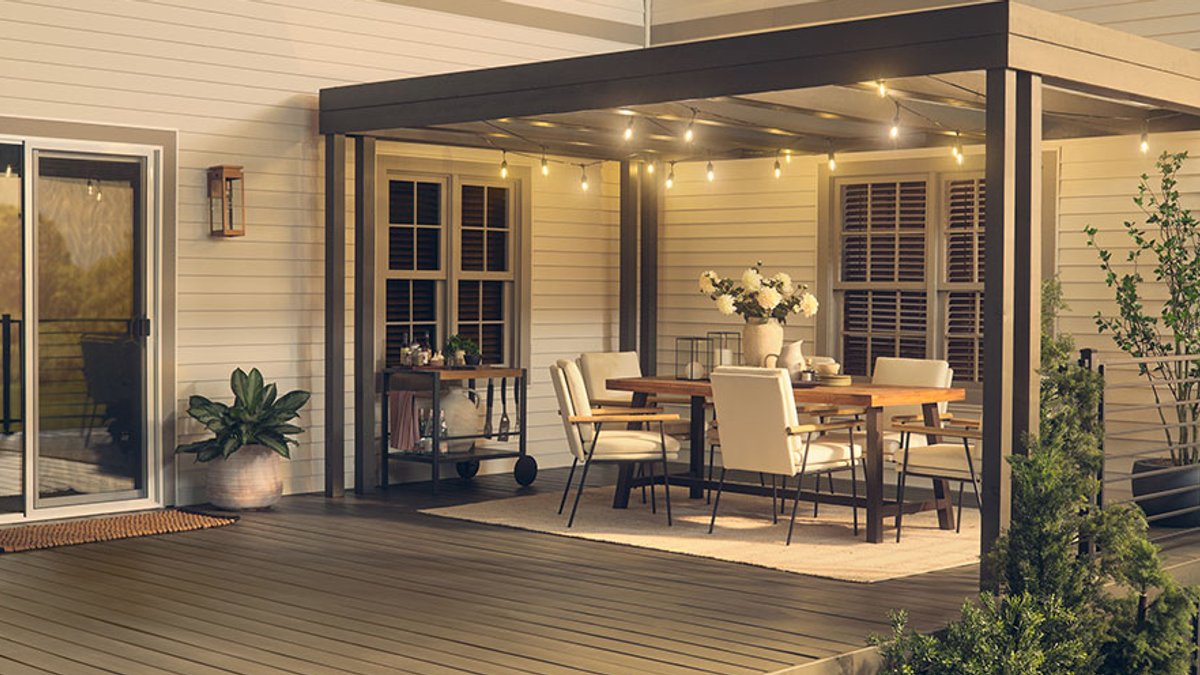
The Sherwin-Williams Consumer Brands Group’s fall 2026 trend report spotlights a move away from digital isolation toward environments that encourage face-to-face interaction. Households now prioritize shared activities like game nights, music sessions, and family meals, shifting focus from visually polished aesthetics to practical, interactive layouts. This cultural shift extends beyond mere decoration into how rooms function and are arranged.
Fall 2026 Prioritizes Small Upgrades Over Large Redesigns
The trend centers on modest, purposeful changes rather than sweeping renovations. Sherwin-Williams labels this approach The Fall Reconnect—a shift toward activity-focused areas such as game corners, reading nooks, or collaborative workspaces. These zones serve practical purposes, transforming daily routines into more social experiences. Instead of rigid styling, open shelving, bold textures, and flexible furniture arrangements take center stage.
Color serves a secondary role in this movement. While shades like Satin Meringue and Matte Vintage Rose add softness, finishes—particularly contrasting textures—drive the trend. A high-gloss lamp paired with a matte side table creates visual interest without leaning into retro styles. The aim is a subtle nod to nostalgia, blending familiar forms with contemporary updates.
The report also highlights a return to hands-on experiences. As digital fatigue increases, homeowners seek projects offering immediate rewards—painting a shelf, refinishing a table, or assembling a bookshelf. These tasks provide a break from passive screen time while delivering tangible results. Brands like Purdy tools and Minwax wood stains position themselves as key enablers, framing DIY as both a personal hobby and a shared activity.
Applying the Trend to Real Spaces
Three primary areas demonstrate The Fall Reconnect in practice:
- Activity Zones: Flexible spaces dedicated to games, music, or crafts. Dutch Boy Paints recommends using color to signal purpose, such as an accent wall for a game area, without dictating the room’s overall design. The goal is to make underutilized corners feel intentional.
- Transition Spaces: Entryways, mudrooms, and porches are being reimagined as functional hubs. Storage benches, open hooks, and durable finishes streamline daily routines while keeping these areas welcoming. Minwax stains and Cabot wood care products emphasize durability and warmth.
- Exterior Thresholds: Porches and decks are treated as extensions of indoor gathering areas. Shorter fall days make outdoor moments, morning coffee or after-school conversations, more deliberate. Cabot exterior treatments ensure these spaces remain usable despite changing weather.
The trend avoids rigid color schemes, instead advocating for finish-driven contrast. For example, a gloss Pumpkin Orange tray on a matte Vintage Rose table creates visual energy without requiring a unified palette. The report’s suggested colors—Satin Spring Grass, Original Chrome, and Satin Beach Glass—act as accents rather than dominant features.
What stands out is the trend’s avoidance of outright retro styling. Design examples, like a reflective metallic frame paired with soft satin, draw inspiration from mid-century and early 2000s aesthetics but update materials and proportions. The result feels familiar yet fresh, offering comfort without reverting to past eras.
Color marketing managers Lisbeth Parada and Sue Kim describe the trend as a response to digital overload. Consumers are not simply changing how their spaces look; they are creating rooms that make it easier to gather, play, make, and be present. The approach reflects a desire for optimism through familiarity rather than a return to the past.
Products Shaping the Trend
The report identifies specific products as tools for this cultural shift. Krylon’s satin and matte finishes help blend retro forms with modern appeal. A game caddy in Satin Beach Glass or a lamp base in Original Chrome signals a space’s interactive purpose rather than serving as mere decoration.
For hands-on projects, Purdy tools and Minwax stains play a key role. Completing small tasks, like staining a mudroom bench or painting trim, reinforces the trend’s core idea: connection through shared effort. Even product packaging reflects this approach, with Krylon emphasizing “smaller projects” and Dutch Boy focusing on “backdrop colors” that support activity without dominating.
The exterior focus remains equally practical. Cabot’s wood care line addresses fall’s transitional weather, promising to protect porches and decks while extending their usability. The messaging centers on functionality, a treated step or railing expands the home’s social reach outdoors.
The report makes no mention of cost concerns or material shortages, factors that influenced earlier trends. Instead, the focus is on low-effort, high-impact changes that match current priorities. This suggests the trend reflects cultural preferences, prioritizing shared experiences over curated online content, rather than economic constraints.
The report does not predict how long this shift will endure, but its emphasis on adaptability implies lasting relevance. Unlike temporary trends, The Fall Reconnect ties to behavioral changes, such as the rise of hybrid work and reduced solo screen time, that show no signs of reversing. For now, the core message remains: homes are no longer just places to inhabit but stages for meaningful reconnection.


