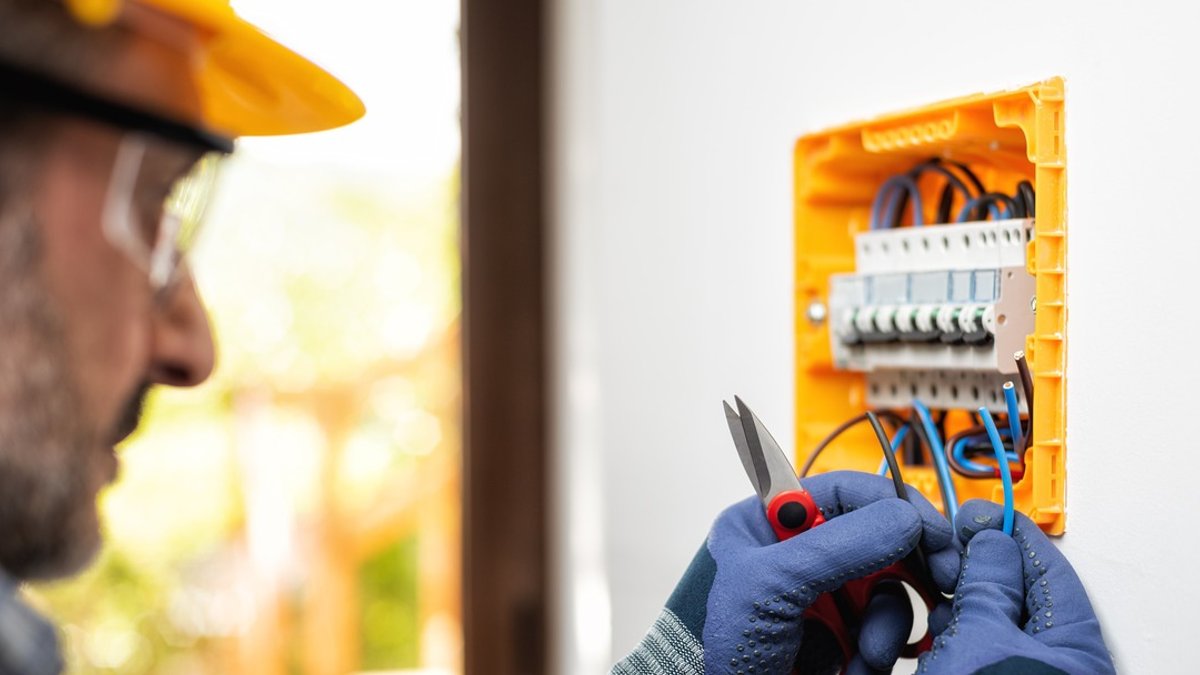
New UK wiring rules came into effect in April 2026, changing how and where particular electrical systems can be installed in homes. These rules focus on modern installations, such as EV chargers, battery storage systems, and smart wiring.
Experts explain that the updated requirements around EV charger installations reflect how rapidly this technology has moved into mainstream homes. Leighton Davies, co-founder of The Full EV, explains that the key change is around load management.
Load Management and EV Chargers
New installs now need to demonstrate that the additional demands of an EV charger won’t overload the existing consumer unit or incoming supply. In practice, this often requires a survey of the existing electrical installation before a charger can be installed, and in some cases, an upgrade to the consumer unit or supply capacity.
Related: Stay cool at home with air conditioning
Leighton Davies adds that older properties often don’t have the existing wiring to cope with the continuous demand of an EV charger running overnight – this has to be acknowledged and rectified. The updated requirements will add a step to the process, but it’s the right approach.
Battery Storage Installations
Another element of the new wiring rules impacts battery storage installations. These installations are now subject to much clearer guidance around where they can be sited within a property and how they must be protected. There are specific requirements around fire separation, ventilation, and the protection of escape routes.
For example, batteries generally shouldn’t be installed in garages that form the primary means of escape from a home, or in rooms directly adjacent to sleeping areas without appropriate fire-rated protection. Homeowners need to carefully think about the location of a battery system at the planning stage, not as an afterthought once the hardware has arrived.
The new wiring rules also impact smart wiring and consumer units. With smart technology dominating homes, an integrated home energy system is essential to ensuring everything is powered up properly. Leighton Davies explains that modern installations increasingly need AFDD (arc fault detection devices) alongside the standard RCDs and MCBs, especially where smart systems are involved.
Related: Why modern solar power is raising the roof
Importance of Qualified Installers
Any homeowner planning to install EV chargers, battery storage systems, or smart wiring should ensure they use a qualified, registered installer who is up to date with all the latest regulations. The new rules ensure there is much more to assess upfront, but they also mean the finished installation is safer, more resilient, and less likely to create problems in the future.
Getting it right the first time is always more affordable and less stressful than having to fix problems later.
Electrical safety is essential.


