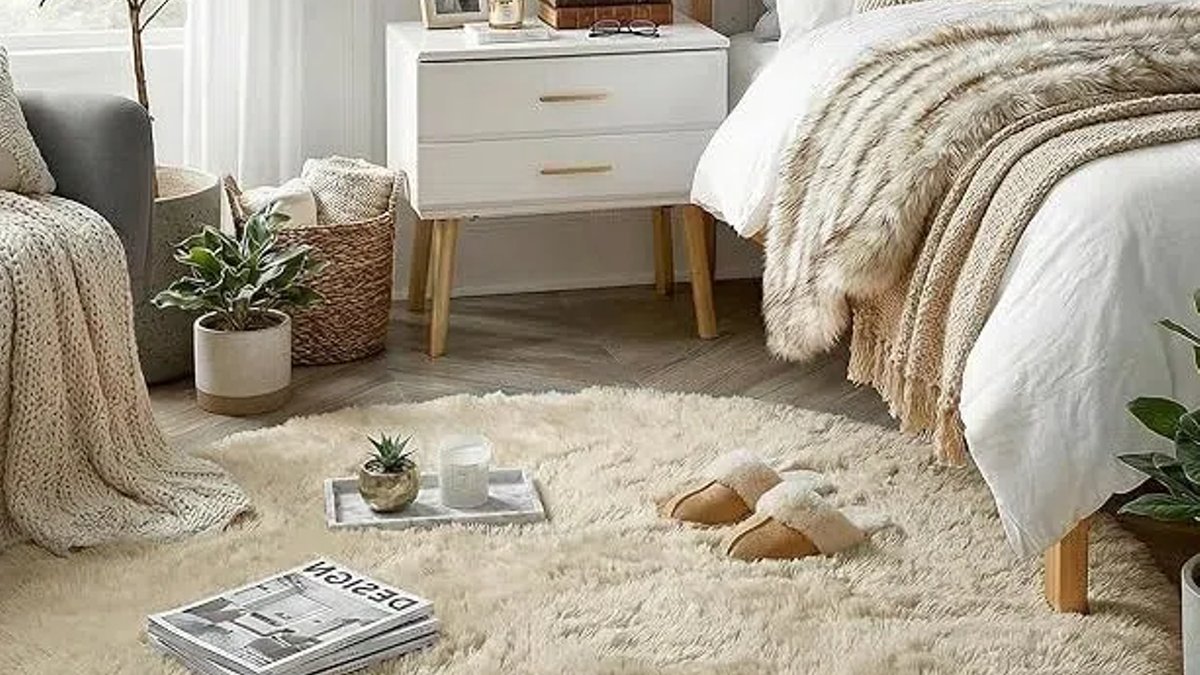
Singapore’s compact apartments—particularly the 2-Room Flexi flats, which account for 65% of new Housing Development Board (HDB) supply for first-time buyers—present a distinct challenge: creating a cozy atmosphere without compromising limited space. The issue extends beyond mere square footage. The materials used—vinyl flooring, concrete walls, and aluminum-framed windows, are designed for practicality and climate control, not warmth. In colder regions, exposed brick or wooden beams instantly evoke coziness. Here, the standard approach remains functional rather than inviting.
A full renovation is rarely necessary. Many residents default to minimalist or Japandi styles, warm colors, wood textures, and natural elements, but this trend often results in visually identical homes. The true solution lies in subtle, deliberate adjustments that do not require professional design expertise or a significant budget. The aim is not to introduce clutter but to reimagine what makes a space feel inhabited.
Shelving offers an effective starting point. Floating shelves with hidden brackets prevent the cramped appearance of bulky units. Wooden shelves, even in arched or rounded shapes, introduce warmth without occupying extra space. The guideline is simple: limit installations to three shelves maximum, spaced to avoid overwhelming walls. A single floating unit above a desk or a pair flanking a bed can divide blank walls without reducing visual openness.
Lighting transforms cramped spaces effortlessly
Lighting presents the most transformative opportunity. Fabric lampshades, particularly those paired with wooden bases, soften harsh overhead lighting. High color temperature bulbs (above 3000K) should be avoided in favor of warmer options in the 1000K, 3000K range. A printed lampshade or a linen cover instantly feels more intentional than an exposed bulb. Even one statement shade can serve as a room’s focal point.
Textures often go unnoticed but play a critical role. Singapore’s climate discourages heavy blankets, yet a chunky knit throw draped over a sofa or bed adds depth. This approach works year-round; even at 24°C, a cooler January day, the contrast with months of 30°C+ humidity makes the addition meaningful. A throw in wool or faux fur transforms a minimalist sofa into a standout feature without consuming floor space.
Material choices further enhance warmth. Plastic or metal furniture should be replaced with wooden pieces, even in small quantities, a side table, a coffee table, or a headboard. Rounded edges over sharp corners reduce the clinical feel. A single solid wood coffee table in a living room creates a more grounded atmosphere than glass or metal alternatives. Consistency matters, even if only one or two key pieces are updated.
Frames also break up bare walls. A curated gallery of personal photos or prints, uniformly framed in wood, adds character without visual weight. Overdoing it risks visual clutter; a single statement piece or a small cluster works best. For cohesion, maintain a single material or color across all frames.
Small details shift perception from efficient to inviting
These adjustments focus on surface-level warmth. The challenge in Singapore is not just spatial constraints but shifting perceptions from “efficient” to “welcoming.” A minimalist home can still feel intentional rather than sparse if every element serves a purpose beyond aesthetics. The evidence lies in small details: a lampshade that filters light, a throw that invites touch, or a shelf holding something meaningful. None of these require additional space.
Furniture layout introduces trade-offs. A modular sofa may save space but can feel impersonal. A low-profile armchair with a deep seat encourages lingering but occupies more room. The balance lies not just between coziness and clutter but between functionality and comfort in a city where every inch is precious.
Textiles soften a room’s edges beyond throws. Upholstered sofas in linen or velvet feel warmer than synthetic materials, even if modular. The same applies to cushions: quilted or tufted designs in neutral tones outperform smooth, flat options. A single velvet throw pillow on a minimalist sofa can alter the room’s mood without changing its layout. For those unwilling to replace furniture, removable slipcovers in wool or cotton provide an easy upgrade.
Storage solutions contribute subtly to warmth. HDB flats often feature built-in wardrobes with metal or plastic finishes, which can feel sterile. Swapping hardware, such as knobs for pulls or wooden drawer fronts, adds warmth. A fabric-lined basket tucked under a bed or in a corner disrupts the monotony of vinyl floors and concrete surfaces. The priority is soft materials over hard edges, whether in seating, storage, or decorative accents.
Mirrors and scent raise warmth without clutter
Mirrors demand careful placement in small spaces. While they create the illusion of expanded room, their positioning affects warmth. A large mirror with a wooden or metal frame, rather than a floating design, reflects light while anchoring a wall. Position it to redirect natural light from windows or to frame a focal point, such as a shelf or artwork. Overuse of mirrors can make a space feel hollow, so one or two strategically placed pieces suffice.
Scent and sound complete the sensory experience. Singapore’s climate relies heavily on air conditioning, but a diffuser with light citrus or sandalwood oils counteracts sterile air without overpowering the space. A small indoor fountain or a textured rug, such as jute or wool, introduces subtle sound, creating white noise that softens the acoustics of hard surfaces. These elements enhance the existing environment without demanding extra space.


