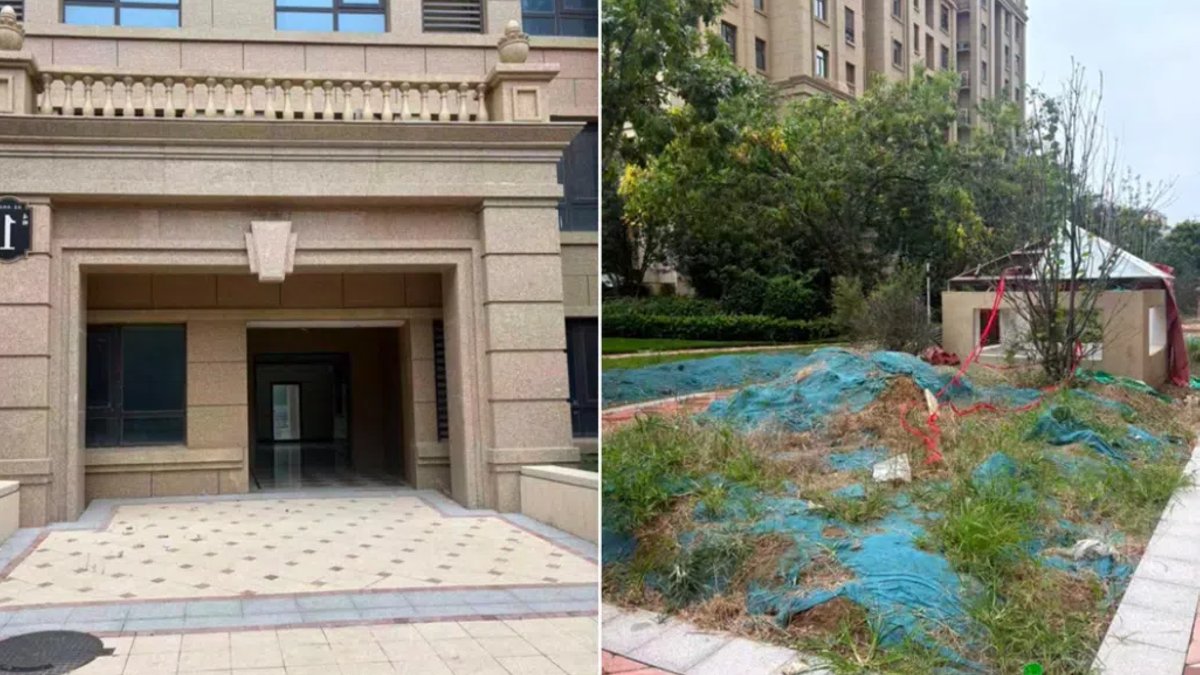
On August 28, 2026, Chinese authorities introduced new regulations that require home sales to occur only after a building’s main structure is complete, marking a significant departure from the presale model that has contributed to the country’s property downturn. The changes also impose stricter oversight on how developer funds are allocated and used.
New rules target unfinished projects
The updated guidelines mandate that developers can no longer sell properties before construction reaches its final stage. Additionally, the rules limit how buyer funds can be allocated, aiming to prevent misuse. A separate policy extends mortgage terms from 30 to 40 years, which reduces monthly payments but increases total interest costs over the loan period.
These measures apply exclusively to projects with planning permits issued after August 28, 2026.
Homebuyer experiences highlight long delays
Wang Conghui’s 126-square-meter apartment on Zhengzhou’s outskirts appears fully furnished, yet the surrounding common areas remain overgrown with weeds and fallen trees. She and her former fiancé purchased the three-bedroom unit in May 2019 under a presale agreement, when only floor plans and a sales-office model were available.
The developer had promised handover by October 2020, but the couple continued paying their mortgage while the building remained unfinished. By August 2025, Wang finally received the keys and began renovations despite missing water and gas connections. She had rented elsewhere for nearly seven years while waiting for the property to be completed.
Read Also: Bosch Launches Energy-Efficient Home Appliances at IFA
Even after moving in, the family still lacks a property ownership certificate, a document the developer has yet to provide—one required for any future resale. Government officials cite cases like Wang’s as the primary reason for overhauling the presale system, aiming to reduce risks from projects that stall when developers exhaust their funds.
Erica Tay, director of macro research at Maybank, told The Straits Times that these reforms are not intended as economic stimulus but represent a structural shift for the market. While the changes may rebuild buyer confidence, they also eliminate a key funding source for developers.
In the near term, stricter fund controls could push smaller developers toward bank loans or alternative financing, potentially accelerating consolidation among larger firms. Moody’s observed in a September 4, 2026, report that funding pressures will vary across sectors over the next 12 to 18 months, though the reforms are expected to benefit credit quality in the long run as delivery risks diminish.
When Wang purchased her apartment, rising property prices made presale units significantly cheaper than completed homes—a factor that encouraged many buyers at the time. Today, fewer than ten households occupy her 300-unit building, and four neighboring blocks remain unfinished. Promised amenities, such as a nearby shopping mall, never materialized; the closest supermarket is a 15-minute scooter ride away.
The developer, Henan Yishenghe, has faced financial difficulties since at least 2021, with the Covid-19 pandemic further delaying construction. By mid-2022, Zhengzhou had become a hotspot for mortgage boycotts, as frustrated buyers stopped payments on incomplete properties.


